
Small Moments, Big Character
Welcome to a practical, heart-forward space where we explore parent–child mini-practices that steadily build responsibility and empathy through everyday minutes. Together we will try short, repeatable actions that fit real routines, encourage warm accountability, spark perspective-taking, and turn ordinary transitions into chances to grow. Join in, test an idea today, share what worked, and help other families shape compassionate habits that last a lifetime.
Morning Rituals That Stick
Two-Minute Bed-Make Challenge
Turn a simple reset into a pride-building win. Set a gentle timer, model corners once, then coach from the sidelines while your child leads. Celebrate increments—straightened pillow, smoothed blanket, brave try. Responsibility grows when ownership stays with the child, and empathy appears naturally when siblings cheer instead of compete. Ask, what helped today, and what tiny tweak would make tomorrow feel easier and kinder?
Weather Check, Wardrobe Plan
Invite your child to check weather together, then co-plan clothes they will wear and care for. Emphasize preparing for future comfort, and noticing classmates who might forget a jacket, planting empathetic anticipation. Place choices in a labeled tray the night before to reduce friction. If morning goes sideways, reflect kindly: Which step supported independence, and which step needs a clearer cue or playful nudge?
Gratitude Stretch
Pair a thirty-second stretch with one specific thank-you about someone in the home, one about themselves, and one about the day ahead. This helps children see contributions and feelings beyond their own bodies. Keep it light—big yawns, soft smiles, and funny examples welcome. Over time, gratitude primes willingness to help, because children notice value in small efforts and wish to add their own.

Backpack Triage In Three Bins
Design three easy bins: Return, Keep, Recycle. Practice emptying the backpack while you both narrate out loud, normalizing small decisions. Younger kids can match icons; older kids can time themselves and reflect on sticking points. Responsibility strengthens through repetition, while empathy appears when children place family mail in the right bin to support everyone’s evening flow. End with a cheerful, we did it together, high-five.

Snack Prep as a Shared Micro-Chef Task
Rotate a tiny kitchen job: rinsing berries, portioning nuts, or spreading hummus. Name the contribution—feeding the team—so it feels communal, not transactional. Kids learn food care, safety, and the joy of serving others gently. Invite them to choose a friend-friendly snack to pack tomorrow, imagining classmates with allergies or preferences. That perspective-taking turns hunger relief into a caring ritual layered with practical skill.

Tiny Jobs, Trusted Hands
Children lean into responsibility when tasks are meaningful, visible, right-sized, and connected to real community benefit. Micro-roles create identity: plant guardian, light captain, table artist. Label, demonstrate once, then return authority to your child. Empathy develops as they notice how their consistency eases family stress. Celebrate consistency over perfection, and let your child propose the next tiny job to grow confidence and mutual care.
Feelings Literacy in Ninety Seconds
Naming emotions quickly reduces impulsive reactions and opens doors to responsibility—repairing, checking in, and choosing next steps. These micro-practices keep language simple, bodies moving, and shame off the table. Empathy expands as children recognize feelings in others with the same words and gestures. Practice during calm times first, then use during friction. Consistency and warmth transform these minutes into reliable bridges across tricky moments.
Color Coding the Day
Invite your child to choose a color for their current feeling, then another color they wish to feel next. Draw a tiny arrow between them and brainstorm one action that could move the arrow gently. This makes self-regulation visible and practical. Ask what color a friend might be today, seeding empathy. Readers, share your family’s unique color meanings to inspire variations and encourage a playful emotional vocabulary.

Mirror Neurons Minute
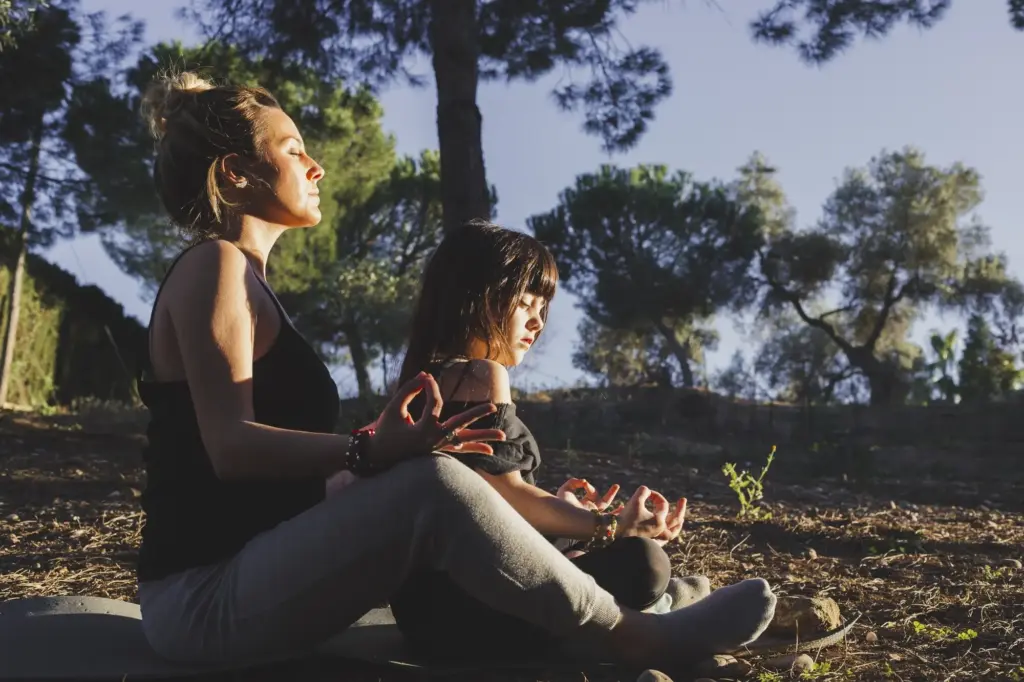
Face each other, take turns mirroring slow gestures and simple expressions. Say, I see your eyes soften; I soften mine too. This builds attunement, the foundation of empathy, while offering a respectful pause between stimulus and response. End with a choice: hug, fist bump, or return to task. Responsibility reappears naturally because calm bodies and understood signals make following through feel safer and more possible.
Screens With Shared Values
Technology time can become a workshop for responsibility and empathy if boundaries are co-authored and reflections are routine. Keep agreements visible, celebrate creative uses, and narrate tradeoffs kindly. When children help decide limits, they practice self-governance, not just compliance. Reflect on how content affects mood and relationships, and invite your child to suggest balance moves. Readers, post your family’s favorite creator projects to inspire others.
Community Kindness on the Go
Errands and short walks can transform into portable classrooms for contribution and perspective. Small, repeatable gestures connect responsibility—following through on plans—with empathy—reading people’s needs. Keep tasks approachable, let children initiate when ready, and reflect together afterward. These outward-facing moments build courage, civility, and a sense of belonging. Share your family’s micro-acts in the comments to inspire a chain of everyday neighborliness everywhere.
Invite your child to become today’s door-holder scout at one stop. Coach stance, eye contact, and warm words. Praise noticing—waiting for a stroller, holding longer for someone carrying bags. Responsibility includes safety judgment, so decide ahead when to step back. Empathy grows through reading faces and timing. Ask afterward, what did you observe, and how did your body feel while helping someone in a tiny, respectful way?
Keep a small bundle of postcards and crayons. After a kind interaction—a librarian’s help, a bus driver’s extra patience—sit for one minute and write a quick note together. Children learn gratitude is actionable and specific. Responsibility shows up in carrying supplies and following through immediately. Empathy deepens as they imagine how the receiver might feel seen. Share snapshots of your postcard moments to encourage community brightness.
Choose one block to scan for tiny improvements: pick up litter, straighten a dropped sign, or water a sidewalk tree. Assign a micro-role to each child and rotate weekly. Responsibility becomes a shared mission, and empathy expands as kids notice accessibility ramps, quiet spaces, and others’ rhythms. Reflect at home with cocoa: Which action mattered today, and what would we like to try differently next time?




All Rights Reserved.